

Introduction
A healthy smile begins with healthy teeth and gums. Unfortunately, many people brush every day but still suffer from cavities, bad breath, bleeding gums, and tooth sensitivity because they unknowingly follow incorrect oral hygiene habits.
In this Doctors Talk health awareness podcast, Dr. Jaiti Uppal (MDS – Periodontics & Implantology, AMU Aligarh) explains the science behind dental hygiene, cavity prevention, proper brushing techniques, and modern dental care in simple language.
Whether you’re a student, working professional, parent, or senior citizen, this guide will help you protect your teeth for life.
What is Dental Hygiene?
Dental hygiene means maintaining clean teeth, healthy gums, and a fresh mouth by following proper oral care habits.
Good dental hygiene helps prevent:
- Tooth decay (Cavities)
- Gum disease
- Bad breath
- Tooth sensitivity
- Tooth loss
Maintaining oral hygiene is one of the easiest ways to improve your overall health.
Why is Dental Hygiene Important?
Poor oral hygiene doesn’t just affect your teeth—it can impact your entire body.
Benefits include:
- Strong teeth
- Healthy gums
- Fresh breath
- Better digestion
- Lower risk of infections
- Confident smile
How Many Times Should You Brush Your Teeth?
Experts recommend brushing twice daily:
Morning
Removes bacteria that develop overnight.
Before Sleeping
Removes food particles and plaque accumulated throughout the day.
Night brushing is especially important because bacteria multiply while you sleep.
Correct Brushing Technique
Many people brush too hard, damaging their gums and enamel.
Best Practices
- Brush for 2 minutes
- Use gentle circular motions
- Brush all tooth surfaces
- Clean your tongue
- Replace your toothbrush every 3 months
Manual vs Electric Toothbrush
Manual Toothbrush
Effective when used correctly.
Electric Toothbrush
May provide better plaque removal, especially for children, elderly individuals, or people with limited hand movement.
The most important factor is brushing correctly—not simply choosing an expensive toothbrush.
Why is an Ultra-Soft Toothbrush Better?
Ultra-soft toothbrushes help:
- Protect gums
- Reduce enamel wear
- Prevent gum recession
- Clean effectively without causing injury
Hard-bristled brushes may damage teeth over time.
What is a Cavity?
A cavity is a permanently damaged area of the tooth caused by bacteria that produce acids after consuming sugars and carbohydrates.
Without treatment, cavities become larger and more painful.
Common Causes of Cavities
Poor Brushing
Plaque remains on teeth.
Sugary Foods
Frequent sweets and sugary drinks feed harmful bacteria.
Sticky Snacks
Food particles stay attached to teeth longer.
Dry Mouth
Less saliva increases cavity risk.
Poor Oral Hygiene
Irregular brushing and flossing allow plaque buildup.
Early Signs of Tooth Decay
Watch for these symptoms:
- Tooth sensitivity
- Pain while eating sweets
- Visible black or brown spots
- Bad breath
- Food getting stuck in teeth
Early treatment prevents root canal procedures.
Can Brushing Reverse Cavities
Very early enamel damage may improve with fluoride and proper oral hygiene.
However, once a cavity forms, it usually requires professional dental treatment.
Modern Dental Filling Options
Today’s fillings are:
- Tooth-colored
- Durable
- Natural-looking
- Safe
- Long-lasting
Modern restorative dentistry preserves natural teeth while restoring function and appearance.
Tips for Healthy Teeth
Brush Twice Daily
Morning and night.
Floss Daily
Removes plaque between teeth.
Reduce Sugary Foods
Protects enamel.
Drink More Water
Keeps the mouth clean.
Visit Your Dentist Regularly
Routine checkups help detect problems early.
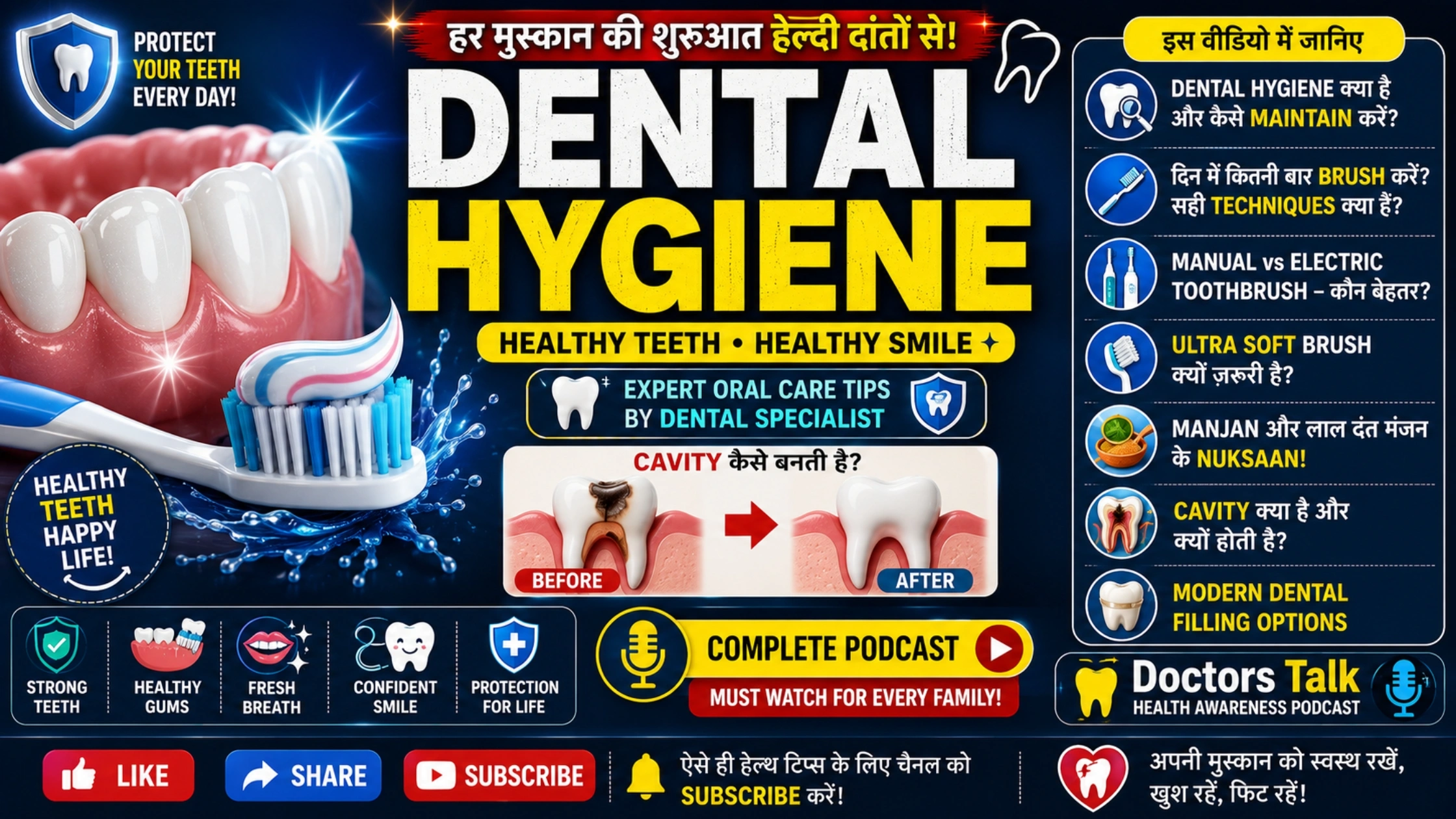
Watch the Complete Doctors Talk Podcast
In this informative episode, Dr. Jaiti Uppal explains:
- Dental hygiene basics
- Correct brushing techniques
- Manual vs electric toothbrush
- Ultra-soft toothbrush benefits
- Cavity causes
- Early warning signs
- Modern dental fillings
- Tips for lifelong oral health
Watch the full Doctors Talk podcast to learn expert-backed dental care tips for a healthy smile.
